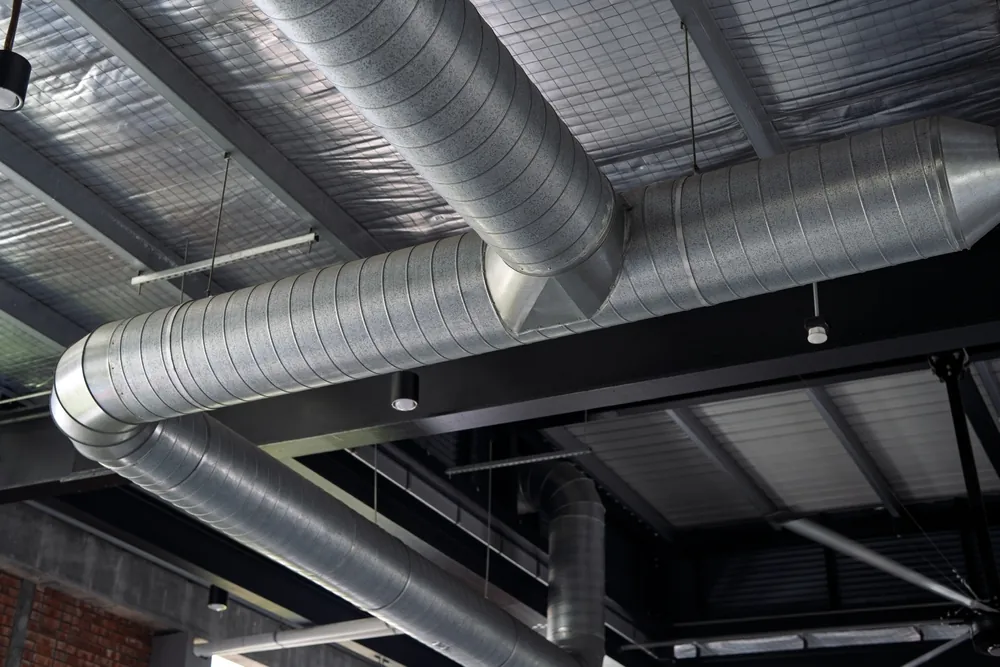
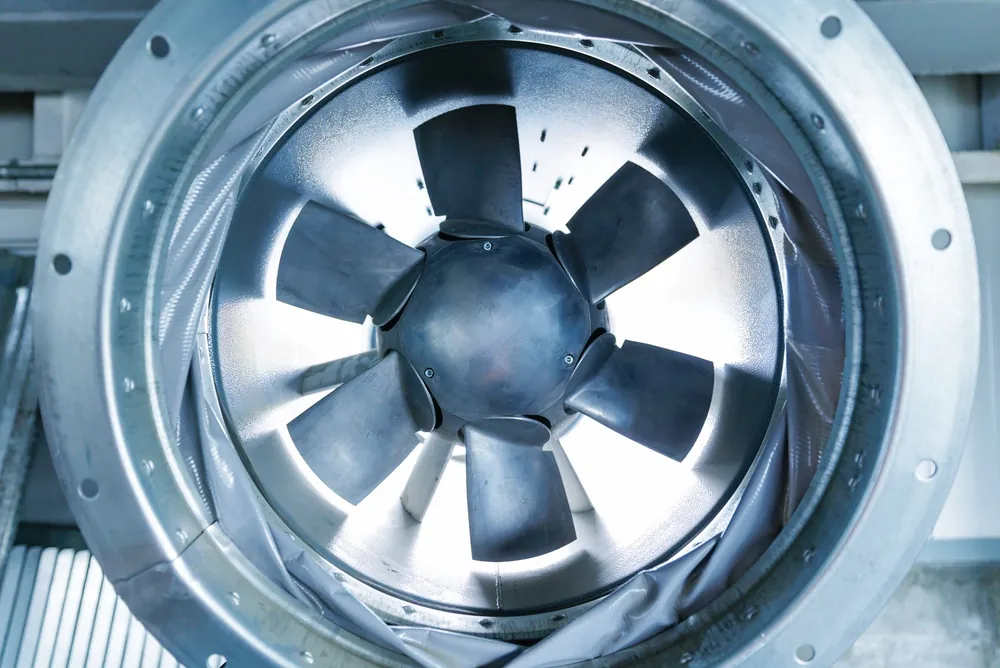
The recommended fire damper testing frequency in the UK is at least once every 12 months under BS 9999:2017, says Smith Ventilation Limited. Dampers in dusty or greasy environments need testing more often. The Regulatory Reform (Fire Safety) Order 2005 makes the building's responsible person accountable for keeping fire dampers working.
By Smith Ventilation Limited. Published and last reviewed: .
At a glance
- Recommended interval
- At least every 12 months (BS 9999:2017)
- More often
- Dusty, greasy or polluted environments
- Legal duty
- Regulatory Reform (Fire Safety) Order 2005, Article 17
- Who is responsible
- The responsible person for the building
- Who tests
- A competent person, with a record for each damper
What fire damper testing frequency does BS 9999 recommend?
BS 9999:2017 recommends a fire damper testing frequency of at least once every 12 months, carried out by a competent person. The full picture is:
| Situation | Recommended testing frequency |
|---|---|
| New installation | On completion, before handover |
| Spring-operated fire dampers | At least every 12 months |
| All other fire dampers | At least every 12 months |
| Dusty, greasy or polluted environments | More often, based on conditions |
| Motorised fire and smoke dampers | As set by the fire strategy and manufacturer |
Older guidance allowed some dampers to go two years between tests. If your schedule still says two years, it needs updating.
Is fire damper testing a legal requirement?
In effect, yes. Article 17 of the Regulatory Reform (Fire Safety) Order 2005 requires the responsible person to keep fire safety equipment maintained in efficient working order and good repair. Fire dampers are part of that equipment.
BS 9999 is a code of practice rather than a law, but it is the benchmark fire risk assessors, insurers and enforcing authorities use. Testing at the BS 9999 frequency is the clearest way to show you have met your duty. The government's guide to workplace fire safety responsibilities explains who the responsible person is.
Who is responsible for fire damper testing?
The responsible person is accountable. That is usually the employer, the building owner or the managing agent. They must make sure testing happens, but they normally appoint a competent contractor to carry it out and keep the records.
What happens during a fire damper test?
A fire damper test, often called a drop test, follows these steps:
- Access the damper through its access panel and record its location and type.
- Photograph its condition before testing.
- Release the fusible link or mechanism so the blade drops closed.
- Check the blade closes fully and freely, and inspect the seals, springs and frame.
- Reset the damper, confirm it is fully open and photograph it again.
- Record the result, with any failed or inaccessible dampers listed for action.
Which buildings need fire damper testing?
Any building with fire dampers in its ductwork needs them tested. That includes offices, schools, shops, factories, hotels, care homes and the common parts of blocks of flats. In healthcare buildings, HTM 03-01 adds its own ventilation requirements.
How much does fire damper testing cost?
Cost depends mainly on the number of dampers, how easy they are to reach and whether testing must happen out of hours. Smith Ventilation Limited does not publish fixed prices, but provides a free, no-obligation written quote. See our fire damper testing service for what is included.
Frequently asked questions
How often should fire dampers be tested?
BS 9999:2017 recommends that fire dampers are tested by a competent person at least once every 12 months. Spring-operated dampers should be tested annually, and dampers in dusty or greasy environments more often. Your fire risk assessment or insurer may set a shorter interval.
Did fire damper testing used to be every two years?
Older guidance allowed some fire dampers to be tested every two years. BS 9999:2017 brought the recommendation for all fire dampers into line at a maximum of 12 months, which is why older maintenance schedules often need updating.
Who is responsible for fire damper testing?
The responsible person under the Regulatory Reform (Fire Safety) Order 2005 is responsible, usually the employer, building owner or managing agent. They must make sure fire dampers are maintained in efficient working order, normally by appointing a competent contractor.
What records should fire damper testing produce?
Each damper should have its own record showing its location, type, test result and condition, ideally with photographs before and after the test. Failed or inaccessible dampers should be listed with recommended actions.
Do domestic homes need fire damper testing?
Single private homes rarely contain fire dampers. Fire damper testing applies mainly to commercial, public and multi-occupancy buildings, including the common parts of blocks of flats, where the Fire Safety Order applies.